
It goes without saying that when most homeowners think about roof cleaning, they just assume that blasting away dirt with high-pressure water is the best and only solution. However, while there’s certainly a place for using as much power as possible when cleaning your home’s exterior, it’s not always the best option, mainly because it can do more harm than good.
That’s why it’s important to know when pressure washing is a viable option and when soft washing is the better alternative. That’s especially the case in the Midlands, where the damp climate plays a massive part in the decision.
So, what’s the real difference between soft washing and pressure washing, and which one is actually safe for your roof?
Understanding Pressure Washing
As you might have assumed, judging by its name, pressure washing relies on high-powered jets of water to get rid of the dirt, moss and all other kinds of debris. It works particularly well on harder surfaces, making it ideal for driveways, paths and patios. For roofs, however, not so much.
Most homes in cities like Birmingham, Coventry, Wolverhampton, Stoke-on-Trent, and Worcester usually have tiles or slate roofs. As you can imagine, that means the direct pressure could cause issues. For example:
- It could crack or loosen your roof tiles.
- It could strip away the protective coating on your material’s surfaces.
- Could lead to water getting beneath the tiles to cause leaks.
- Dislodge pointing and flashing.
On top of that, you may even find that using pressure washing services on your roof could void the warranties on your roofing materials.
What Is Soft Washing?
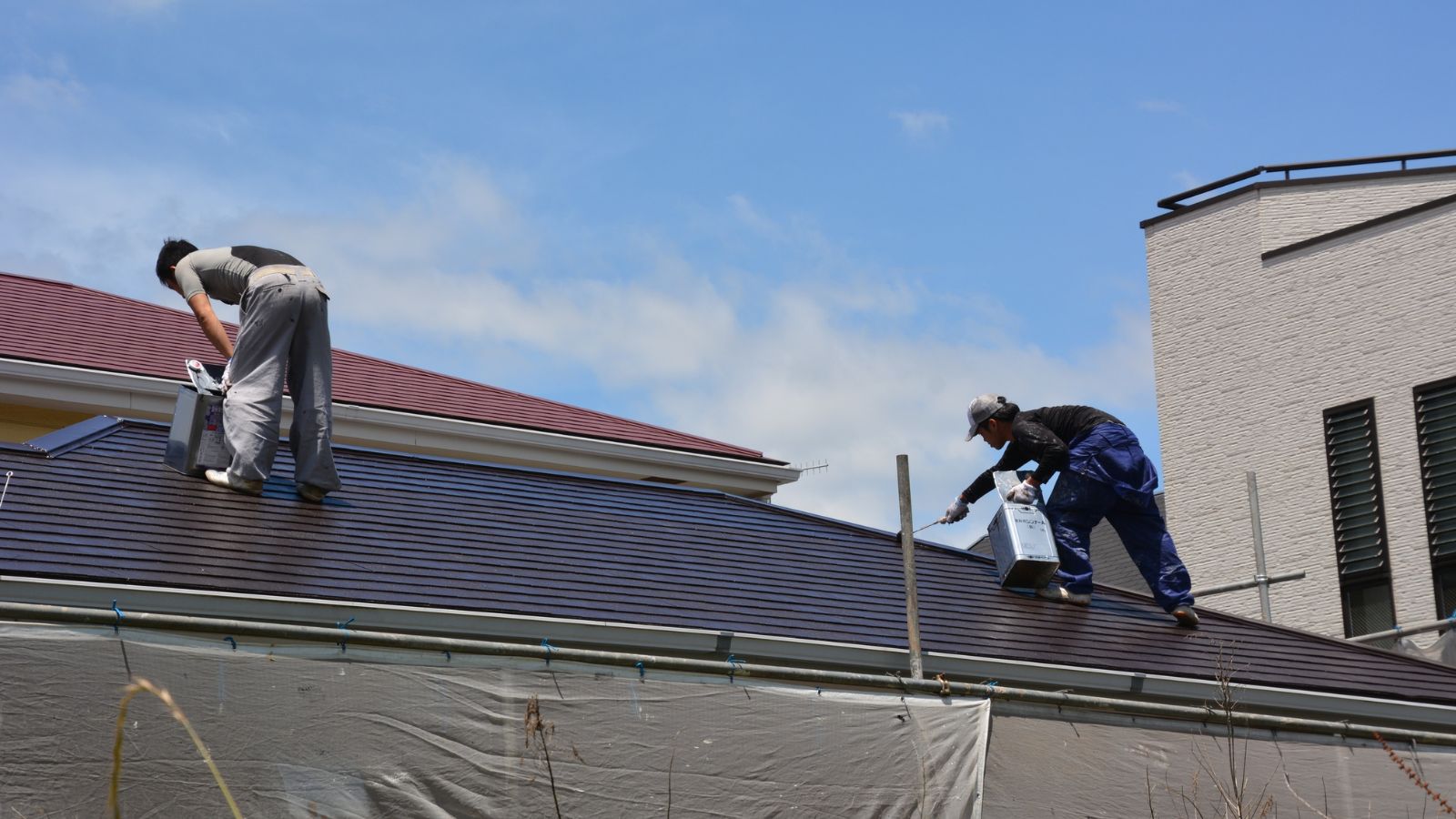
Soft washing, on the other hand, takes an opposite approach. It uses low-pressure water in conjunction with specialist and highly-effective cleaning solutions. Rather than relying on brute force like pressure washing, soft washing from a roof cleaning service chemically breaks down the buildup of the organic growth.
Once it has been applied and left to sit for a while, the solution is gently rinsed away using that low-pressure water. Your roof becomes spotless, but with putting unnecessary stress on the materials. Crucially, soft washing doesn’t just remove visible growth either. It actually attacks the spore and roots so that it cannot regrow, something that pressure washing on its own isn’t capable of.
Why Soft Washing Is Safer for UK Roofs
If you live in the UK, you’ll already know that the country’s weather conditions, particularly across the Midlands, are perfect to encourage moss and algae growth. The damp winters, almost constant rainfall (or so it feels like), and shaded areas all contribute to creating that perfect environment. The organic build up it can lead to can potentially damage your roof’s surface over time.
Soft washing is widely considered the most effective option for UK roofs because it:
- Preserves tile integrity and protective coatings
- Prevents water ingress beneath tiles
- Reduces the chance of future moss regrowth
- Extends the lifespan of the roof
The above is why professional services like This is why professional services like Aaron’s Roof Cleaning focus on soft washing as the preferred method when cleaning residential roofs.
When Pressure Washing Is Appropriate
As we touched on earlier, there is still a place for high-pressure washing, just not really for roofs. It is much better suited to cleaning other property exteriors, such as:
- Driveways and paving
- Brick walls
- Fencing
- Decking (when done correctly)
As both cleaning methods have their uses, most home exterior cleaning services utilise both methods. They just use what is best for each particular case.
Professional Expertise Matters
If you feel your roof is in need of cleaning, a professional service will make everything we’ve discussed clear to you when you call them in. They’ll know that soft washing is the better option in most cases. Initially, they’ll assess your roof and materials before deciding on the best method and cleaning solution to get the job done.
The Takeaway
So, the next time you’re thinking of cleaning your roof or calling in some professionals to do it for you, just remember that more pressure doesn’t always mean better results. While it is effective in other areas, it is best kept away from your roof and the materials it could damage or remove.